
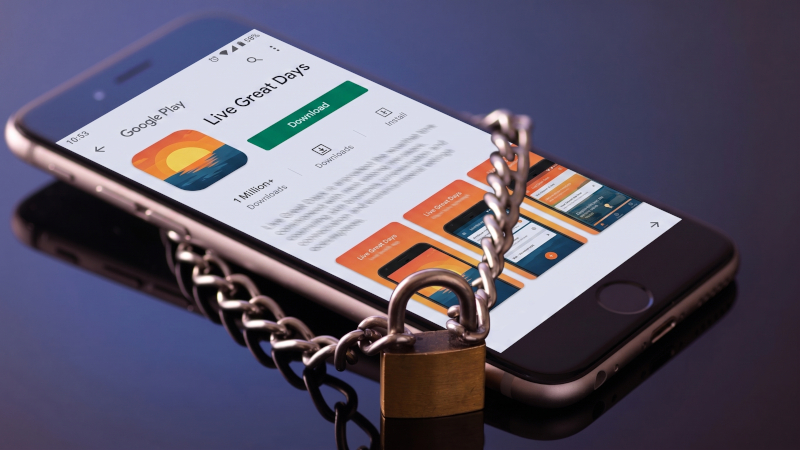
We’ve all heard that our smart phones are making us less healthy. They causing us to be sedentary, stressing us out, making us feel more isolated, creating social anxieties, giving us FOMO, etc. But, they’re also aging our bodies? Whut.
I was a bit shocked to read this research finding: adults who reported five or more hours of daily leisure screen time had biological aging scores about 1.7 years older than those who reported just one hour, and every additional two hours of screen time was linked to roughly seven months of extra biological aging. That’s from a 2026 study in Medicine & Science in Sports & Exercise, which used genetic analysis to strengthen the case that screen time isn’t just associated with faster aging, it may actually contribute to it. Not “makes you tired.” Aging you, at the cellular level. That’s not just some trendy wellness tip. It’s a public health finding.
I recently put strict “app timers” on the only two social media apps I have left on my phone. If and when those timers are up, I can’t use that app until the next day. Accept it, put the phone down, and move on.
Digital detox has enough traction now that researchers are starting to define it formally. A 2025 review from UNC Chapel Hill and Alfred University, published in the journal Cureus, defines it simply: a voluntary reduction or temporary cessation of device use. Looking across 14 studies, the reviewers found detox interventions may meaningfully ease depression and problematic internet use, though the effect on broader life satisfaction was inconsistent. People with more severe symptoms to begin with saw bigger benefits than people with only mild screen habits.
Digital detox isn’t a universal fix, and it isn’t the only one. If your relationship with your phone is quietly wrecking your sleep and your focus, the data say it’s worth trying. If it’s not, don’t force a “detox” onto yourself because it’s trending. Slow living isn’t a single protocol — it’s permission to find whatever actually works for you, whether that’s a full digital detox, a few boundary changes, or just putting your phone in another room at dinner or bedtime.
We may know even more soon. Researchers at the University for Continuing Education Krems in Austria are running a randomized controlled trial right now, testing whether cutting smartphone use to under two hours a day for three weeks measurably improves mental health. We’ll keep an eye on the results and report back.
For now: do less, on purpose, in whatever way actually fits your life.




Leave a Reply